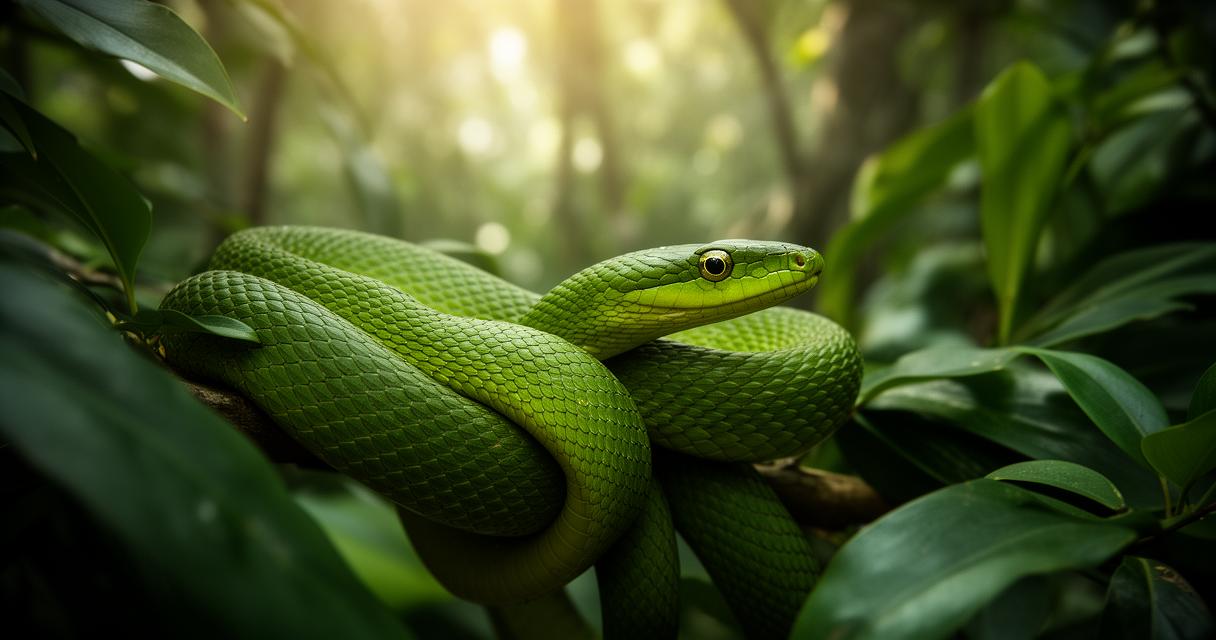
Zanzibar's lush forests, spice-scented villages and turquoise coastline draw travellers from across the globe, but beneath the postcard scenery lies a natural world that deserves genuine respect. Understanding the archipelago's wildlife, from venomous snakes tucked beneath foliage to the disease-carrying insects that thrive in tropical humidity, is not about fear but about preparation. Local communities have long held traditional knowledge about which creatures to avoid and how to coexist safely alongside them, and blending that wisdom with modern safety practice gives visitors the best possible footing for an enjoyable trip.
What to know
- Visitors to Zanzibar should combine local traditional knowledge with modern safety practices to coexist safely with the island's wildlife.
- Common hazards in Zanzibar include various snakes, scorpions, spiders, and occasionally bold monkeys, which tend to inhabit dense forests and mangrove areas.
- To minimize risks, travelers should stick to marked pathways, wear sturdy footwear, maintain a safe distance from all animals, and carry a torch during low-light hours.
- Hiring certified local guides is highly recommended, as they possess expert knowledge of animal behavior and can help identify potential dangers before they occur.
- Insect-borne diseases such as malaria and dengue fever are significant concerns, requiring the use of repellents, treated mosquito nets, and appropriate preventative medication.
- Preparation for a safe trip includes packing a well-stocked first aid kit and keeping a list of nearby medical facilities and essential documents readily available.
Understanding zanzibar's dangerous wildlife: traditional wisdom meets contemporary awareness
For generations, villagers across the islands have passed down knowledge about which animals to watch for and which habitats to approach with caution. This oral tradition remains remarkably useful today, complementing the more formal guidance offered by conservationists and safety authorities. Blending these two streams of knowledge means visitors benefit from both lived experience and scientific understanding.
Key Species to Be Aware of During Your Zanzibar Visit
Among the creatures that warrant genuine caution are several species of snake, including the boomslang and various vipers that favour dense undergrowth. Scorpions and certain spiders can also deliver painful, though rarely fatal, stings. In coastal waters, sea urchins and the occasional jellyfish present a nuisance rather than a serious hazard, but they are worth knowing about before wading into shallow lagoons. Monkeys found in forested reserves, while charming, can become bold around food and should never be approached too closely, as they may bite or scratch if provoked.
Natural Habitats of Dangerous Wildlife Across the Archipelago
Most of these species inhabit specific environments rather than roaming freely across the islands. Dense mangrove areas, coastal scrubland and the shaded interior of protected forests tend to host the greatest concentration of wildlife requiring caution. Understanding these natural habitats allows travellers to plan routes sensibly, staying alert in areas where encounters are more likely while relaxing elsewhere.
Safari and Wildlife Safety in Jozani National Park: Essential Precautions for Travellers
Jozani Chwaka Bay National Park remains the most popular destination for those hoping to see Zanzibar's famous red colobus monkeys in their natural setting. It is also the place where sensible precautions matter most, given the density of vegetation and the variety of species living within its boundaries. A well-planned safari through the park can be one of the highlights of any visit, provided visitors respect the rules laid out by park authorities.

Minimising Encounter Risks with Proper Precautions and Local Guidance
Wearing sturdy footwear, staying on marked pathways and avoiding sudden movements near wildlife all reduce the likelihood of an unpleasant encounter. Travellers are also encouraged to keep a reasonable distance from any animal, no matter how docile it appears, since even small creatures can react unpredictably when startled. Carrying a torch during early morning or dusk excursions is a simple habit that helps travellers spot potential hazards on the ground before they become a problem.
Consulting professional guides: why expert knowledge matters
Visitors to parks should adhere to guidelines and use certified tour guides, who bring years of accumulated knowledge about seasonal animal behaviour and safe routes through the forest. A good guide can point out a basking snake long before a walker would notice it themselves, turning a potential hazard into an educational moment. Their presence also means help is close at hand should anything go wrong, making the extra cost of hiring a professional thoroughly worthwhile.
Health Risks from Venomous Creatures and Disease-Carrying Insects: Practical Protection Strategies
Beyond larger animals, some of the most persistent risks in Zanzibar come from much smaller sources. Mosquitoes and other biting insects are active throughout the year, and understanding how to reduce exposure to them forms an essential part of any travel plan. This is particularly relevant for anyone combining a Zanzibar stay with wider travel across mainland Tanzania, where the FCDO warns against all but essential travel to certain parts of the country due to a high global risk of terrorist attacks affecting British nationals, alongside the more everyday health considerations that all travellers should bear in mind.
Education on Diseases Transmitted by Insects in Tropical Environments
Malaria remains the most significant insect-borne illness travellers should educate themselves about before arrival, alongside dengue fever, which has become increasingly common across East Africa. Using repellent consistently, sleeping under treated nets and wearing long sleeves during the evening are all straightforward habits that dramatically cut the chances of infection. Speaking with a travel health clinic before departure ensures appropriate preventative medication is arranged well in advance.
Essential First Aid Kit for Travel: Preparing for Wildlife Encounters
A well-stocked first aid kit should include antiseptic wipes, antihistamines, a suction extractor for stings, and any prescribed antimalarial tablets. Packing a printed list of nearby medical facilities, along with copies of essential travel documents kept separately from the originals, adds a useful layer of preparedness. Just as travellers are advised to carry copies of important documents at all times when navigating unfamiliar regions, the same principle applies to health preparation: having supplies ready before they are needed makes all the difference. Combined with respect for local laws and customs, particularly during periods such as Ramadan, and sensible precautions around driving standards, night travel and public transport, a thoughtful approach to wildlife safety rounds out a trip that is both memorable and secure.