The towering peaks of the Himalayas have long captivated travellers and adventurers from around the world, yet only in recent years has India begun to carve out a distinct identity as a premier destination for skiing and winter sports. Whilst the Alps and the Rockies have dominated the global skiing scene for decades, the vast and varied terrain of the Indian Himalayas is now emerging as a compelling alternative, offering not only thrilling slopes and reliable snowfall but also a rich tapestry of cultural experiences that set it apart from traditional winter holiday destinations. This transformation is redefining adventure tourism across the region, drawing both seasoned skiers and curious novices eager to explore a lesser-known yet equally spectacular skiing frontier.
- The Indian Himalayas are emerging as a significant global alternative to traditional skiing destinations like the Alps and the Rockies.
- India's ski industry has evolved from rudimentary beginnings to sophisticated resorts through a combination of government investment and local community involvement.
- A unique selling point of Indian ski tourism is the integration of traditional Himalayan culture, hospitality, and cuisine into the modern winter sports experience.
- Social media and improved infrastructure, such as better transport links, have played a crucial role in raising the international profile of Indian ski resorts.
- Gulmarg and Auli serve as pioneering destinations, offering world-class amenities like high-altitude gondolas and diverse, challenging terrain.
- The region caters to a wide range of skill levels, with areas like Solang Valley providing accessible facilities for beginners, families, and seasoned adventurers alike.
India's Emerging Identity as a Premier Skiing Destination
The Evolution of Himalayan Ski Culture and Its Roots
India's journey towards becoming a recognised skiing destination is rooted in a blend of historical influences and contemporary investment in infrastructure. The earliest ski enthusiasts in the region were often colonial officers and mountaineers who ventured into the high altitudes of Kashmir and Himachal Pradesh during the winter months, yet it was not until the latter half of the twentieth century that formal ski resorts began to take shape. Over time, local communities and government initiatives worked hand in hand to develop facilities that could cater to an international audience, whilst simultaneously preserving the cultural heritage of the Himalayan foothills. This evolution has seen a gradual shift from rudimentary ski runs to sophisticated resorts equipped with modern amenities, transforming remote mountain villages into vibrant hubs of winter sport. The integration of local traditions, hospitality, and cuisine has further enriched the experience, ensuring that visitors not only enjoy the thrill of the slopes but also immerse themselves in the unique cultural milieu of the region.
How indian ski resorts are attracting global adventure seekers
As word of India's skiing potential has spread through social media platforms such as Instagram, a growing number of international adventurers have been drawn to the Himalayas in search of new challenges and untouched powder. The visual allure of snow-draped mountains shared across feeds has played a significant role in elevating the profile of Indian ski resorts, prompting travellers to consider destinations beyond the well-trodden paths of Europe and North America. Moreover, the availability of diverse terrain, ranging from gentle slopes suitable for beginners to challenging runs for advanced skiers, has broadened the appeal of these resorts. The combination of competitive pricing, improved accessibility through upgraded transport links, and the promise of an authentic cultural experience has positioned India as an attractive alternative for those seeking both adventure and novelty. In addition, initiatives such as ski schools and guided tours have made it easier for first-time visitors to navigate the slopes, further bolstering the region's reputation as a welcoming and inclusive skiing destination.
Iconic Ski Stations Transforming Winter Sports in the Indian Himalayas
Auli and Gulmarg: Pioneering Ski Resorts with World-Class Facilities
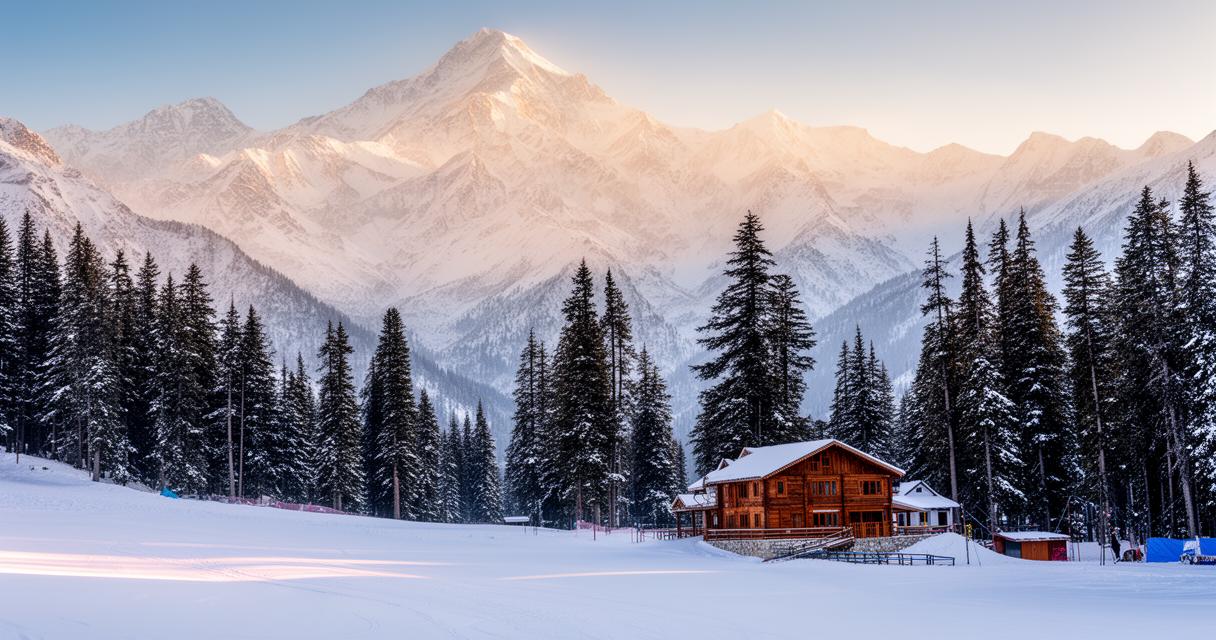
Among the many ski stations that have emerged across the Himalayas, Auli and Gulmarg stand out as pioneers in transforming winter sports within India. Auli, nestled in the northern state of Uttarakhand, is renowned for its picturesque vistas and meticulously maintained pistes that wind through dense coniferous forests and open meadows. The resort has invested significantly in modern infrastructure, including a sophisticated cable car system that not only facilitates access to higher altitudes but also offers breathtaking panoramic views of the surrounding peaks. Meanwhile, Gulmarg, located in the Kashmir region, has garnered international acclaim for its expansive skiable terrain and state-of-the-art gondola, one of the highest in the world. The resort's ample snow cover and varied topography make it a favourite among both amateur enthusiasts and seasoned professionals seeking to test their skills on challenging descents. Both destinations have been instrumental in demonstrating that Indian ski resorts can rival their global counterparts in terms of quality, safety, and overall experience, thereby attracting a steady stream of visitors year after year.
Solang Valley and Beyond: Diverse Terrain for All Skill Levels
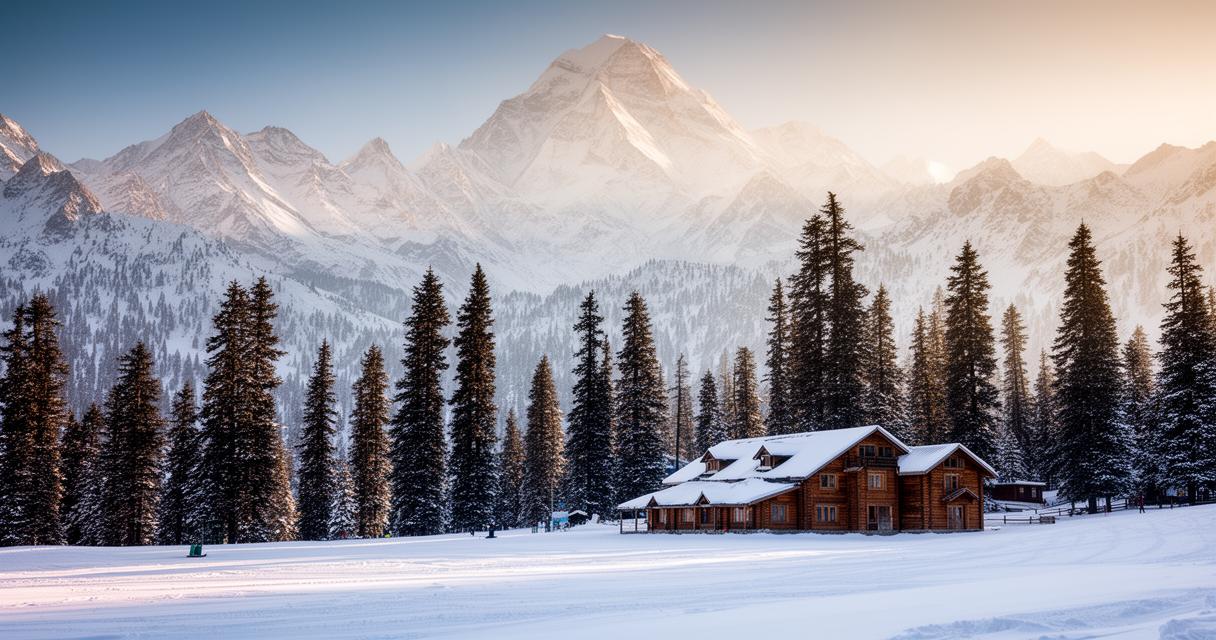
Beyond the headline resorts of Auli and Gulmarg, Solang Valley near Manali has emerged as another noteworthy ski station that caters to a wide spectrum of winter sports enthusiasts. The valley is particularly popular during the peak winter season, when it transforms into a bustling centre for skiing, snowboarding, and other snow-based activities. Its relatively accessible location and diverse terrain make it an ideal destination for families and groups with varying levels of experience, ensuring that everyone from novices taking their first tentative turns to advanced skiers seeking off-piste adventures can find suitable conditions. The presence of dedicated ski schools and rental facilities further enhances the appeal of Solang Valley, providing newcomers with the guidance and equipment necessary to enjoy the sport safely. In addition to these well-known resorts, smaller and emerging stations scattered across Jammu and Himachal Pradesh continue to contribute to the region's growing reputation as a comprehensive skiing destination. This diversity of options means that visitors can tailor their trips to suit their preferences, whether they seek the buzz of a major resort or the tranquillity of a more secluded mountain retreat.
The Role of Geography and Climate in Shaping India's Skiing Landscape
High Altitude and Consistent Snowfall: Natural Advantages of the Himalayas
The natural advantages conferred by the Himalayan range are central to India's burgeoning skiing industry. The high altitude of the region ensures that temperatures remain sufficiently low during the winter months to sustain a reliable snow cover, whilst the topography provides a varied landscape of steep gradients and open bowls that are ideal for skiing. The consistent snowfall experienced across key areas in Jammu, Kashmir, Uttarakhand, and Himachal Pradesh creates conditions that rival those found in more established skiing nations, offering both quality and quantity of snow that are essential for a successful season. These climatic and geographical factors combine to produce an environment where winter sports can flourish, attracting those who seek the thrill of carving through fresh powder against the backdrop of some of the world's most iconic peaks. The natural beauty of the Himalayas, with snow-capped summits that seem to stretch endlessly into the horizon, further enhances the overall experience, making every descent not just a physical challenge but also a visual feast.
Regional Hubs in Jammu and Himachal Pradesh Driving Winter Tourism Growth
The regional hubs in Jammu and Himachal Pradesh have been pivotal in driving the growth of winter tourism in India, offering a combination of accessibility, infrastructure, and natural beauty that appeals to a broad demographic. These areas have seen substantial investment in recent years, with improvements to road networks, accommodation options, and on-mountain facilities that collectively raise the standard of the skiing experience. The presence of skiable kilometres suited for all levels of skiers ensures that both families and serious athletes can find appropriate challenges, whilst the development of ancillary services such as restaurants, spas, and cultural tours enriches the overall holiday experience. Local governments and private enterprises have recognised the economic potential of winter tourism and have worked collaboratively to promote these regions on both national and international stages. This concerted effort has not only increased visitor numbers but has also fostered a sense of pride among local communities, who see their homelands being celebrated as world-class destinations for adventure tourism. The ongoing commitment to sustainable development and the preservation of the natural environment further ensures that these regions will continue to attract visitors for generations to come, cementing India's place on the global skiing map.