The allure of the Himalayas has captivated adventurers for generations, and few experiences can rival the thrill of exploring this majestic mountain range on two wheels. A motorcycle tour through these towering peaks offers an unparalleled blend of adrenaline, natural beauty, and cultural immersion that transforms a simple journey into a life-changing expedition. As you wind through narrow mountain roads, traverse high-altitude passes, and encounter communities that have thrived in isolation for centuries, every moment becomes a testament to the spirit of adventure. Whether you are a seasoned rider or someone seeking to push beyond your comfort zone, the Himalayas present an opportunity to connect with nature and humanity in ways that few other destinations can match.
Planning your himalayan motorcycle adventure
Embarking on a Motorcycle tour himalaya requires meticulous planning and a thorough understanding of the unique challenges that come with riding in one of the world's most demanding environments. The first step in preparing for this adventure is to assess your own riding skills and physical fitness, as the combination of high altitude, unpredictable weather, and rugged terrain can test even the most experienced motorcyclists. Consulting with tour operators who specialise in Himalayan expeditions can provide invaluable insights into the level of difficulty you might encounter and help you determine whether a guided tour or an independent journey suits your needs. Beyond personal readiness, securing the necessary permits and documentation is essential, as certain regions within the Himalayas are restricted or require special permissions from local authorities. Travel insurance that covers high-altitude motorcycle riding is also a non-negotiable aspect of your preparation, ensuring that you are protected in the event of an accident or medical emergency.
Essential Gear and Preparation for Mountain Riding
The harsh and ever-changing conditions of the Himalayas demand a specific set of gear that goes far beyond what you might need for a typical motorcycle tour. A reliable motorcycle, preferably a dual-sport or adventure bike with excellent suspension and robust tyres, forms the foundation of your journey. These machines are designed to handle the rough, unpaved roads and rocky paths that dominate much of the terrain. Equally important is your personal protective equipment, which must include a high-quality helmet, reinforced riding jacket, gloves, and boots that can withstand both the cold temperatures and the physical demands of off-road riding. Layering your clothing is crucial, as temperatures can fluctuate dramatically throughout the day, with scorching heat in the valleys giving way to freezing winds at higher elevations. Packing essentials such as a first aid kit, spare parts for your motorcycle, tools for basic repairs, and a comprehensive navigation system will help you stay prepared for the unexpected. Many riders also carry hydration systems and energy-rich snacks to maintain their stamina during long stretches between villages.
Best Routes and Timing for Your Journey
Choosing the right route and timing for your Himalayan adventure can make the difference between a rewarding experience and a challenging ordeal. The most popular routes, such as the journey from Manali to Leh or the circuit through Spiti Valley, offer a combination of stunning scenery and well-trodden paths that provide a balance of excitement and accessibility. These routes typically open between late May and early October, when the snow has melted sufficiently to allow safe passage through the high mountain passes. Outside this window, many roads become impassable due to heavy snowfall and the risk of avalanches. For those seeking a more remote and less-travelled experience, routes through Zanskar or the upper reaches of Ladakh offer solitude and untouched landscapes, though they require a higher level of skill and preparedness. Timing your journey to coincide with local festivals or cultural events can add an extra dimension to your adventure, allowing you to witness traditional ceremonies and interact with communities in ways that enrich your understanding of the region. Weather patterns in the Himalayas are notoriously unpredictable, so building flexibility into your itinerary and allowing extra days for potential delays is a wise strategy that can help you adapt to changing conditions without compromising your overall experience.
Immersing Yourself in Himalayan Culture and Landscapes
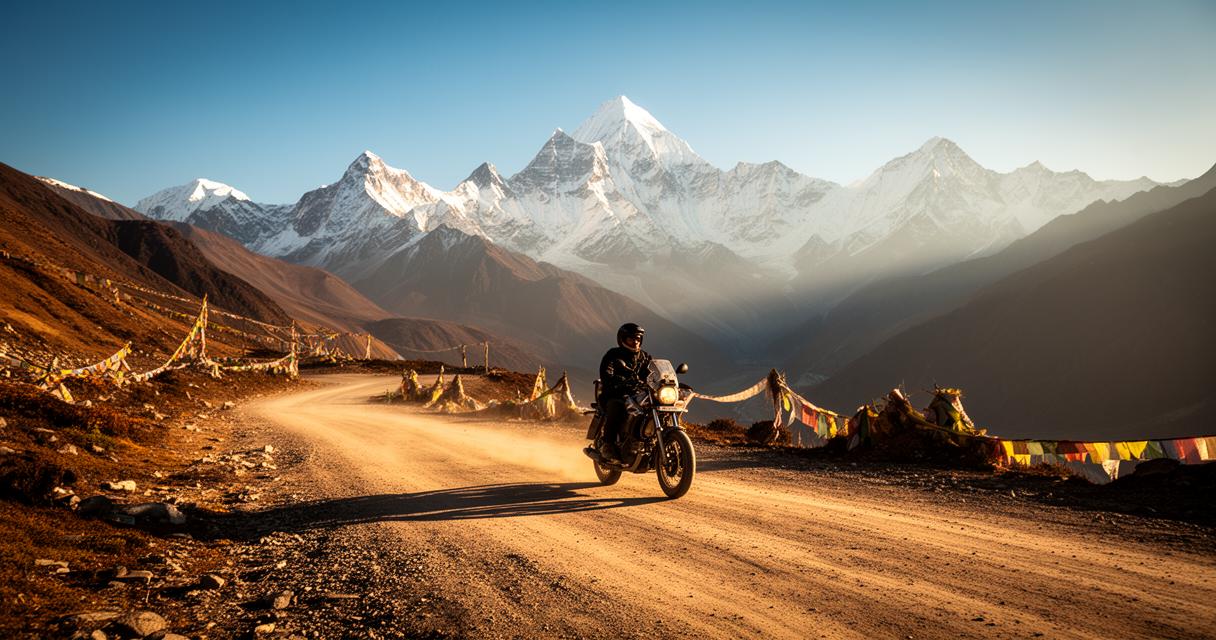
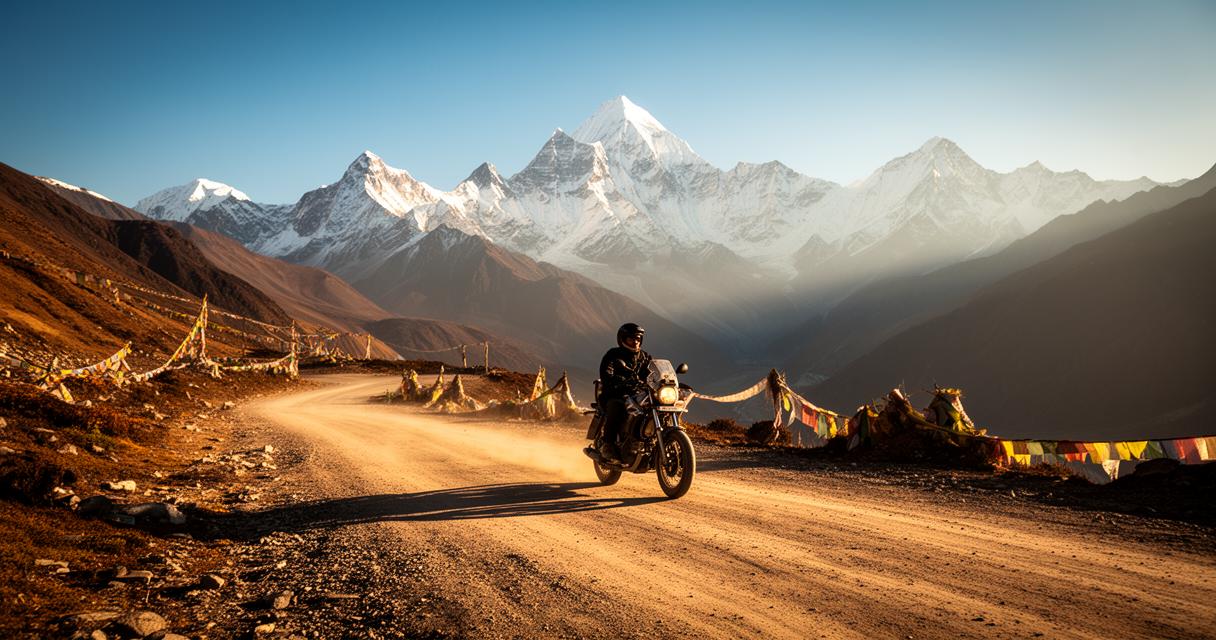
One of the most profound aspects of a motorcycle tour through the Himalayas is the opportunity to immerse yourself in the rich cultural tapestry that defines this region. The mountains are home to diverse communities, each with its own distinct traditions, languages, and ways of life that have been shaped by centuries of isolation and adaptation to the harsh environment. As you ride through these landscapes, you will encounter monasteries perched on cliffsides, prayer flags fluttering in the wind, and villages where hospitality is not just a courtesy but a deeply ingrained value. Engaging with local people, sharing meals, and learning about their daily lives can transform your journey from a purely physical adventure into a deeply human experience. The landscapes themselves are equally captivating, with dramatic contrasts between arid deserts, lush valleys, glacial rivers, and snow-capped peaks that seem to touch the sky. Each turn in the road reveals a new vista, and the ever-changing interplay of light and shadow across the mountains creates a visual feast that is impossible to capture fully in photographs.
Discovering remote villages and local traditions
Venturing into remote villages scattered across the Himalayan foothills and valleys provides a window into a way of life that has remained largely unchanged for generations. These communities, often accessible only by narrow dirt tracks or suspension bridges, welcome travellers with a warmth that belies the harshness of their surroundings. In many villages, you will find homes constructed from stone and timber, with interiors warmed by wood-burning stoves and adorned with intricate tapestries and religious artefacts. The rhythm of daily life here is dictated by the seasons and the demands of agriculture, with families working together to cultivate barley, wheat, and vegetables in terraced fields that cling precariously to steep hillsides. Participating in local festivals, such as harvest celebrations or religious ceremonies, offers a rare chance to witness traditional music, dance, and rituals that have been passed down through countless generations. The generosity of the people you meet, whether it is an invitation to share a pot of butter tea or a simple gesture of assistance when your motorcycle encounters a mechanical issue, underscores the spirit of community that thrives in these high-altitude havens. These interactions not only enrich your journey but also serve as a reminder of the resilience and adaptability of human beings in the face of environmental challenges.
Navigating breathtaking mountain passes and valleys
Riding through the mountain passes and valleys of the Himalayas is an experience that tests your skills, endurance, and sense of wonder in equal measure. Passes such as Khardung La, Tanglang La, and Rohtang Pass are legendary among motorcyclists, not only for their dizzying altitudes but also for the sense of accomplishment that comes with conquering them. The ascent to these high points is often a slow and gruelling process, with switchback roads that demand constant attention and precise control of your motorcycle. As you climb higher, the air thins and the landscape becomes increasingly barren, with rocky outcrops and patches of snow replacing the greenery of lower elevations. Yet the reward for your efforts is a panoramic view that stretches for miles, encompassing jagged peaks, deep gorges, and vast expanses of untouched wilderness. Descending into the valleys brings a different set of challenges, as the roads can be littered with loose gravel, sudden potholes, and the occasional stream crossing that requires careful navigation. The valleys themselves are often verdant and teeming with life, providing a stark contrast to the stark beauty of the passes. Rivers fed by glacial meltwater carve their way through the landscape, and the occasional village or monastery offers a place to rest and reflect on the journey. Every mile covered on these roads reinforces the sense that you are part of something larger than yourself, a small figure moving through an ancient and awe-inspiring landscape that has witnessed the passage of countless travellers before you.