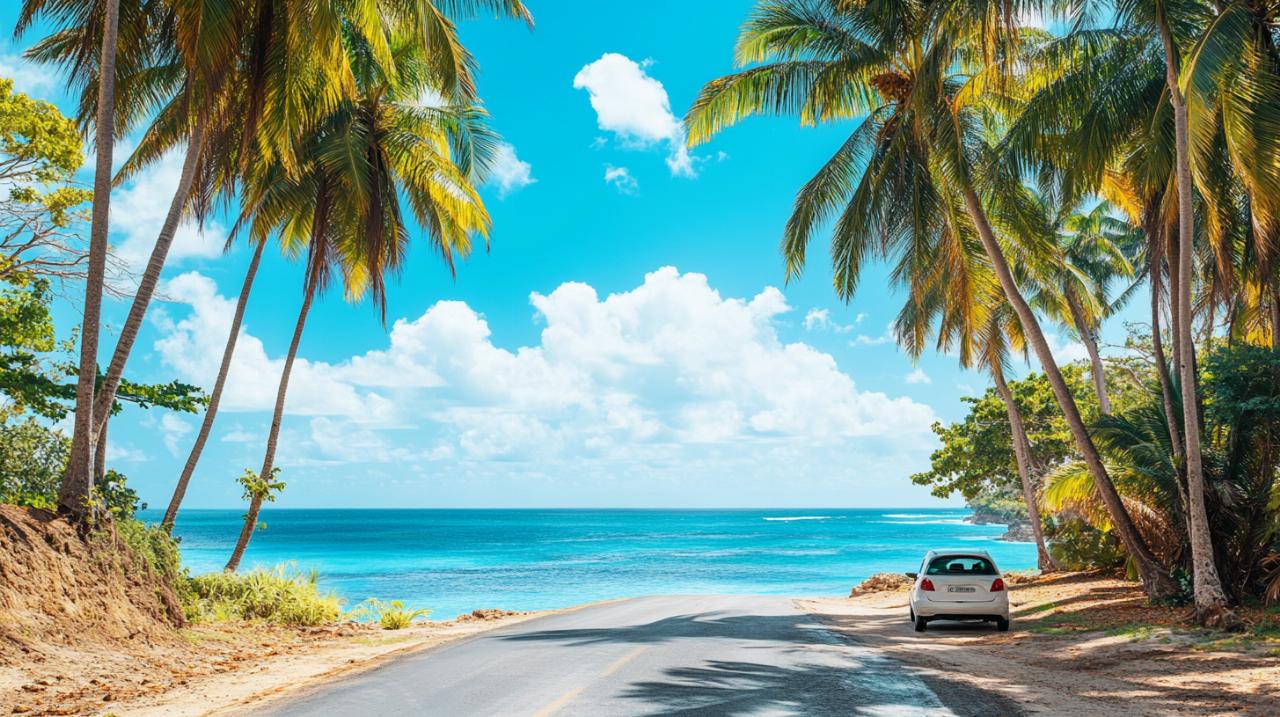
Exploring the stunning landscapes and vibrant culture of the Dominican Republic becomes significantly more rewarding when you have the freedom to venture beyond the well-trodden tourist trails. Renting a vehicle offers travelers the flexibility to discover hidden beaches, mountain retreats, and charming local towns at their own pace. However, navigating the process of hiring a car and understanding the unique driving conditions requires careful preparation and awareness of local regulations.
Essential Requirements and Documentation for Car Hire
Before embarking on your Dominican adventure, ensuring you have the correct documentation is paramount. This comprehensive guide to car rental in Dominican Republic begins with understanding what you need to present at the rental desk. A valid driving licence from your home country is generally sufficient for short stays of up to ninety days, though an International Driving Permit is highly recommended and may be required by certain rental agencies. Prospective drivers should also carry their passport and a credit card in their name, as these documents are essential for completing the rental agreement and securing the deposit.
Driver’s license and age restrictions
Rental companies typically impose a minimum age requirement of twenty-one years, although some firms, particularly those offering larger or luxury vehicles, may raise this threshold to twenty-five. Younger drivers should be prepared for the possibility of additional charges, often referred to as young driver surcharges, which can vary between agencies. Ensuring your driver’s license has been valid for at least one year is another common prerequisite that helps rental companies assess driver experience. Jumbo Car, a well-established local rental firm founded in 1977 and boasting a fleet of over two hundred vehicles, requires precisely these documents along with a credit card for the deposit. Their convenient location near Santo Domingo International Airport makes them a practical choice for those arriving by air.
Insurance coverage and deposit requirements
Insurance is a critical consideration when renting a vehicle in the Dominican Republic, given the unpredictable nature of road conditions and local driving habits. Third-party liability insurance is legally mandated and typically included in the base rental cost, but this basic coverage may not provide comprehensive protection. Many travelers opt for additional policies such as Collision Damage Waiver or Loss Damage Waiver, which can add between ten and twenty-five dollars per day to the overall cost but offer peace of mind in the event of an accident or damage. It is advisable to carefully review your credit card benefits, as some cards provide rental car insurance, though acceptance of such coverage varies among local agencies. Security deposits can range from five hundred to one thousand dollars, held on your credit card until the vehicle is returned without incident. When signing the rental agreement, it is essential to read every clause, paying particular attention to mileage limits, fuel policies, and any restrictions on driving on unpaved roads. Conducting a thorough inspection of the vehicle before departure and documenting any existing damage in the agreement can prevent disputes later.
Navigating dominican roads and local driving customs
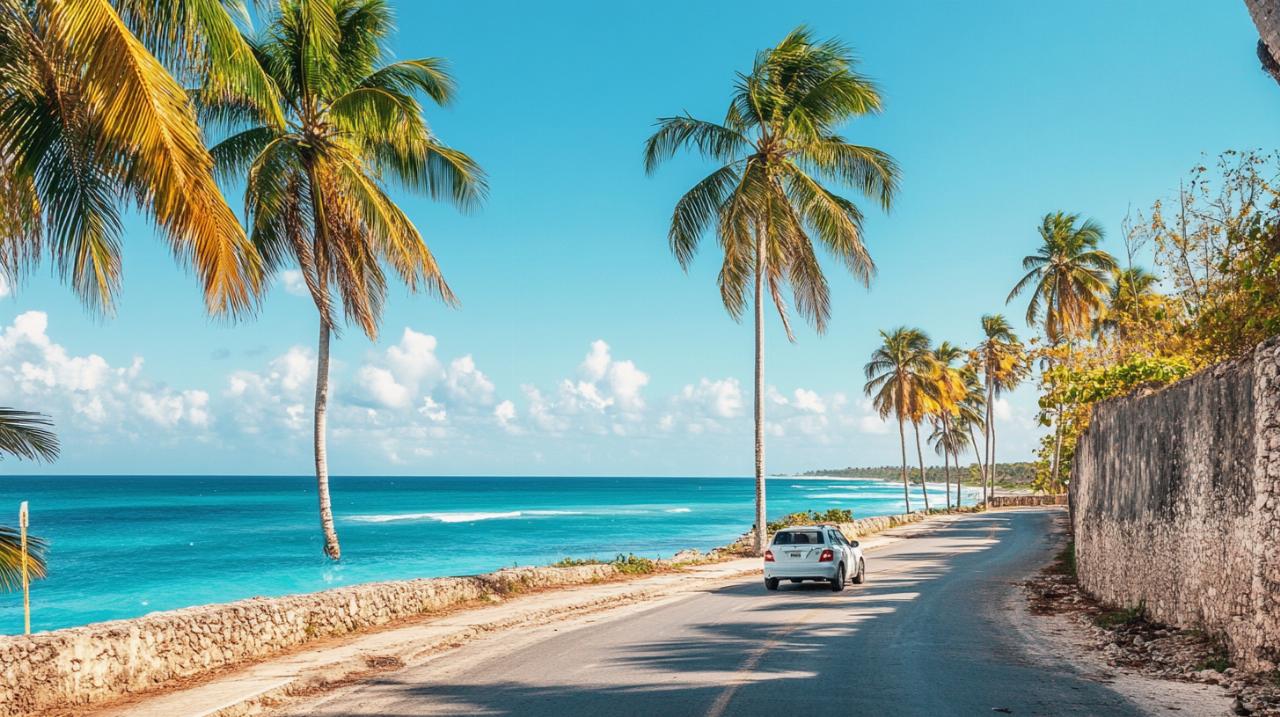
Driving in the Dominican Republic presents a unique set of challenges and rewards. While major highways are generally well-maintained, secondary roads can be riddled with potholes and unmarked speed bumps known locally as policías acostados. The country’s drivers tend to exhibit a relaxed attitude towards traffic rules, with frequent overtaking, minimal use of indicators, and a disregard for safe following distances. Motorbikes are ubiquitous and often weave unpredictably through traffic, requiring constant vigilance from car drivers. Defensive driving is not merely advisable but essential for navigating these roads safely.
Road conditions and motorway navigation
The quality of roads varies dramatically depending on the region. Coastal routes and major motorways linking cities such as Santo Domingo, Punta Cana, Puerto Plata, and Santiago de los Caballeros are typically in good condition, though they frequently feature toll booths charging between sixty and four hundred pesos in cash. Travellers should ensure they carry sufficient local currency for these tolls, as card payments are not accepted. Venturing into mountainous areas like Jarabacoa or Constanza, or exploring remote coastal towns such as Las Terrenas and Samaná, often requires a vehicle with higher ground clearance. An SUV or four-by-four is recommended for such itineraries, particularly during the rainy season when unpaved roads can become treacherous. Speed limits are set at forty kilometers per hour in urban areas and eighty to one hundred kilometers per hour on national roads, though adherence to these limits is inconsistent among local drivers. Navigation systems or reliable maps are invaluable, as road signage can be sparse or ambiguous in rural areas.
Petrol stations and emergency services
Petrol stations, referred to as bomba de gasolina, are reasonably common along major routes and accept credit cards, though availability diminishes in more remote regions. It is prudent to refuel whenever the opportunity arises, particularly if your journey takes you into mountainous or sparsely populated areas. Understanding the fuel policy specified in your rental agreement is crucial, as some companies operate on a full-to-full basis while others may charge for a full tank upfront. In the event of an emergency, the primary contact number is nine-one-one, though response times and coverage can be inconsistent. The Tourist Police, known as POLITUR, are a dedicated resource for travelers and can provide assistance in situations ranging from minor accidents to harassment. Keeping your mobile phone charged and maintaining a list of important contacts, including your rental agency and travel insurer, is essential. Police checkpoints are common throughout the country, so having your documents readily accessible will expedite any interactions with law enforcement. Driving at night is strongly discouraged due to poor road lighting, the prevalence of vehicles operating without functioning lights, and the increased risk posed by reckless driving, particularly by tour buses.
Rental costs fluctuate significantly depending on the season, with the peak period from December to April commanding higher prices due to favorable weather and increased demand. During this time, an economy car may cost between thirty and fifty dollars per day, while SUVs range from sixty to one hundred dollars. Luxury vehicles and four-by-four models can exceed one hundred and twenty dollars daily. Booking well in advance is advisable to secure both competitive rates and a wider selection of vehicles, especially during peak season. Local rental companies such as Jumbo Car, which has been serving travelers for nearly fifty years, often provide better value and personalised service compared to international chains. Their diverse fleet, available seven days a week, caters to all travel needs, from economical city cars to robust four-wheel-drive vehicles suitable for challenging terrain. Those uncomfortable with driving in unfamiliar conditions might consider hiring a driver for approximately fifty to one hundred dollars per day, allowing them to enjoy the scenery without the stress of navigating chaotic traffic. Popular road trip routes include the journey from Santo Domingo to Punta Cana, which showcases the transition from bustling capital to pristine beaches, and the scenic drive from Las Terrenas to Samaná, where whale watching becomes a highlight from mid-January to March. The mountain route from Jarabacoa to Constanza offers a dramatic change in landscape, with cooler temperatures and lush pine forests providing a stark contrast to the coastal heat. Excursions to islands such as Isla Saona, accessible from Bayahibe or Punta Cana, and Isla Catalina add an element of tropical paradise to any itinerary. Ultimately, renting a car in the Dominican Republic unlocks the full potential of this diverse and captivating nation, provided travelers approach the experience with thorough preparation, realistic expectations, and a flexible attitude towards the unexpected.
Phone: +1 809-807-2777